
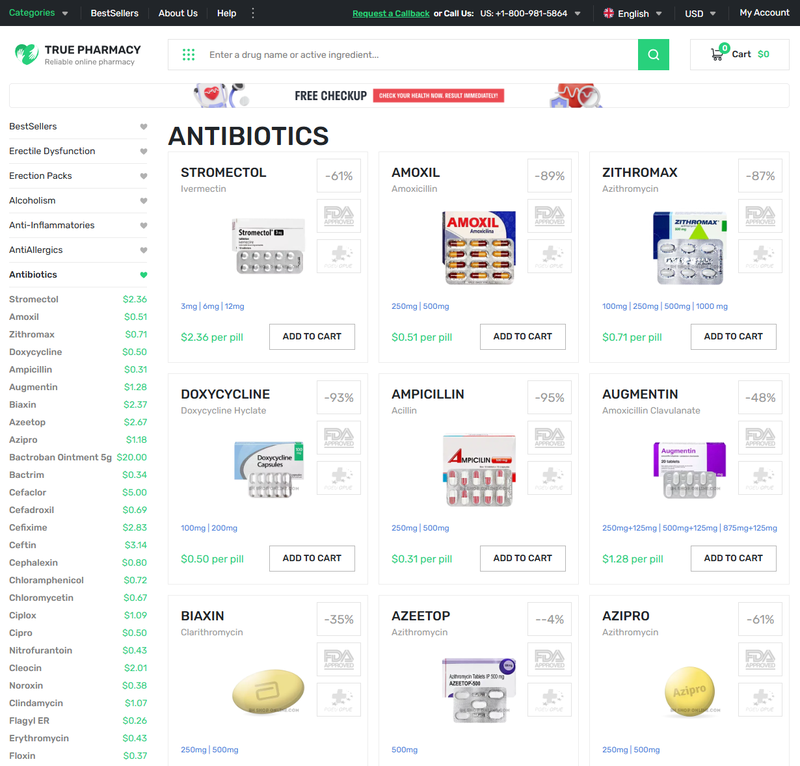
To Purchase Amoxicillin USA Visit Our Pharmacy ↓
It is among the most commonly prescribed antibiotics and is an essential medicine in any healthcare system
If you experience severe or persistent side effects while taking amoxicillin, it is important to speak with your doctor right away. Amoxicillin resistance is a growing concern in healthcare, as the overuse and misuse of antibiotics has led to the development of resistant strains of bacteria. While side effects are uncommon, they can occur in some cases. While effective against bacterial infections, amoxicillin does not work against viral infections like the common cold or flu. Similarly, those with liver disease might need adjusted dosages, since the liver plays a vital role in metabolizing medications. By doing so, patients can ensure that they are getting the best possible outcomes from their medication while minimizing the risks of antibiotic resistance and side effects. Macrolides are particularly significant when dealing with amoxicillin allergies, given their efficacy and safety profile.
Amoxicillin's Place in Modern Antibiotic Stewardship
In addition to these benefits, Amoxicillin has also been found to treat acne effectively. 1) Topical Retinoids: One popular alternative to Amoxicillin is the use of topical retinoids. However, its range is limited when compared to antibiotics like ciprofloxacin and doxycycline, which cover a more extensive array of bacterial pathogens, including those resistant to multiple drugs. This is because amoxicillin is easily absorbed into the body's tissues, and it does not disrupt the balance of healthy bacteria in the gut. Dental infections caused by various oral bacteria are another area where amoxicillin is highly effective. Structurally similar to penicillin but with a broader spectrum of activity, amoxicillin is adept at battling both Gram-positive and Gram-negative bacteria, making it a versatile weapon in the medical community's pharmacological arsenal. To ensure proper care and the avoidance of potential complications, a precise understanding of the allergy is necessary.
The rapid increase in the number of Amoxicillin-resistant bacteria has raised questions about the sustainability of this antibiotic in the long term.
As a result, illnesses previously deemed routine and treatable have once again become serious threats to public health. Moving forward, this article will dispel other common myths and misconceptions about amoxicillin, providing readers with accurate information about what the drug does and how it works. Performing a thorough drug utilization review (DUR) is essential to avoid such complications. Your healthcare provider is there to assist you in determining the correct dosage based on various factors such as your age, weight, and medical history. To ensure optimal treatment outcomes, it is recommended to consult a healthcare professional for proper diagnosis and appropriate antibiotic therapy. On the other hand, some drugs like probenecid can increase the levels of amoxicillin in the body, leading to potential side effects. Missing a dose or taking it at irregular intervals can lead to suboptimal blood levels, reducing the drug’s effectiveness and potentially contributing to antibiotic resistance.
Amoxicillin belongs to a class of antibiotics called penicillins that work by blocking the growth and division of bacterial cells
This article explores the historical background of amoxicillin's discovery, its versatility in treating different respiratory infections, and the safety and efficacy it offers. This stigma around amoxicillin resistance is based on the misconception that the drug itself is harmful or ineffective, when in reality it is the misuse and overuse that is the problem. Its target is the penicillin-binding proteins (PBPs), crucial enzymes that catalyze the formation of peptidoglycan, a critical component of bacterial cell walls. However, there are many misconceptions and myths about amoxicillin, from its side effects to its effectiveness against viral infections. Following dental procedures, the risk of infections naturally increases, especially for patients with underlying conditions or weakened immune systems. Traditionally used to fight bacterial infections, this medication has shown promising results in combating acne breakouts. Amoxicillin belongs to the penicillin class of antibiotics and works by inhibiting the growth of bacteria responsible for causing these infections.
One of the significant benefits of Amoxicillin is its effectiveness in treating a broad range of bacterial infections such as tonsillitis, bronchitis, pneumonia, ear infections, skin infections, and urinary tract infections, among others
It's essential for health professionals to document any allergic reactions to amoxicillin in the child's medical records for ongoing safety in managing the child's health. Common side effects may include diarrhea, nausea, and stomach pain. This mechanism is primarily effective against Gram-positive bacteria, but it also demonstrates some activity against certain Gram-negative organisms. Penicillin’s derivatives soon began to emerge as scientists aimed to enhance its efficacy and broaden its scope. Amoxicillin is effective in treating a wide range of infections, including ear infections, bronchitis, pneumonia, urinary tract infections, and skin infections. Here’s a brief comparison with its antibiotic peers:. Several factors contribute to antibiotic resistance, such as inappropriate use of antibiotics, over-prescription, lack of infection control measures, and poor hygiene practices.
Foods Rich in Natural Probiotics and Prebiotics
Its mechanism of action involves inhibiting the growth of bacterial cells and preventing them from multiplying further. This approach ensures that the benefits of amoxicillin are not compromised, fostering a safe treatment journey. Various approaches have been implemented to address antibiotic resistance, including the promotion of responsible antibiotic use, the development of new formulations of amoxicillin, and the utilization of combination therapies. As a rule of thumb, it is best to avoid drinking alcohol during the course of amoxicillin treatment. While it is generally safe and effective, patients may experience side effects if they fail to follow the prescribed dosage and treatment regimen. Therefore, it is essential to complete the entire course of amoxicillin to ensure that the infection is completely eradicated. Through consistent and accurate education, parents and caregivers become active participants in antibiotic stewardship, ultimately aiding in the preservation of these drugs for future generations.
The Consequences of Inaction: a Future Plagued by Resistance
The consequences of antibiotic misuse extend beyond treatment failure. By actively addressing antibiotic resistance, we can ensure that amoxicillin remains a game-changer in the treatment of respiratory infections. One of the primary advantages of choosing Penicillin is its effectiveness against gram-positive bacteria, including Streptococcus and Staphylococcus species. However, there are various misconceptions and myths about this drug that have been circulating for years. Giving the correct dose ensures that the medication effectively fights the infection without causing harm to the child. By adhering to the full course of therapy, patients maximize their chances of a speedy recovery and help curb the spread of resistant bacteria. With extensive research, scientists are on the lookout for ways to modify the drug to make it more effective against resistant bacteria.
Common Side Effects
Communication is crucial in ensuring that patients receive the full benefits of their medication. Amoxicillin, for instance, is usually taken orally and comes in both tablet and liquid forms, making it versatile and easy to administer. Amoxicillin is available in different forms, including tablets, capsules, and suspensions. However, it's essential to take the correct dosage and timing of Amoxicillin to receive maximum effectiveness. Additionally, it is one of the antibiotics used to treat urinary tract infections caused by Escherichia coli, a common cause of urinary tract infections. Remember, never self-diagnose an amoxicillin allergy; consult a medical professional for proper evaluation and guidance. When paired with other common antibiotics like erythromycin or doxycycline, there’s little risk of significant interaction, offering a relatively straightforward therapeutic path.
Mapping the Evolution of Bacterial Resistance
Although amoxicillin's effects in these areas warrant further research, it shows great promise as a versatile medication. It works by stopping the growth of bacteria and destroying them. After ingestion, it is rapidly absorbed into the bloodstream through the gastrointestinal tract. By binding to these proteins and preventing them from carrying out their normal function, amoxicillin disrupts the integrity of the bacterial cell wall. Skipping doses: It is important to take amoxicillin at regular intervals to maintain a constant level of the antibiotic in the bloodstream. As a powerful antibiotic, amoxicillin plays a crucial role in maintaining dental hygiene and overall oral wellness. While the precise mechanism of action is still being investigated, the acne-fighting properties of amoxicillin hold great promise for individuals struggling with persistent acne.
In particular, this antibiotic has been found to have anti-inflammatory properties that can be useful in the treatment of various medical conditions.
For adults, the common dosage ranges from 250 mg to 500 mg every 8 hours, or 500 mg to 875 mg every 12 hours, depending on the infection's severity and type. Additionally, precautions should be taken while using amoxicillin, such as informing a healthcare provider of any allergies to medications, being aware of any potential interactions with other medications, and completing the full course of treatment even if symptoms improve. To minimize the occurrence of side effects, patients should take the medication exactly as directed, even if they begin to feel better before completing the entire course of treatment. The most commonly reported side effects of amoxicillin include nausea, vomiting, diarrhea, and abdominal pain. When you suspect an amoxicillin allergy, it is important to have a conversation with your healthcare provider to explore alternative medication options. Below is a comparison table of some common alternatives:. Similarly, sinusitis, which is inflammation of the sinuses, can also be treated with amoxicillin.
Where To Buy Atarax No PrescriptionBuy Fluoxetine Without InsuranceBuy Proscar Over The Counter